
How Much Does Sewer Line Replacement Cost in Indiana?
Most homeowners pay $1,390 to $5,320 to replace a sewer line, according to a national cost guide. That guide puts the average at $3,320. It prices trench replacement at $50 to $200 per linear foot. Trenchless replacement runs $60 to $250 per linear foot.
Those are market numbers from national cost guides, not our price list. In Mishawaka and Elkhart, city Sewer Insurance programs help pay to fix the pipe from the house to the street. ASAP Poop does sewer line repair and replacement across St. Joseph County and Elkhart County. We look at the job and put the quote in writing.
What does each part of a sewer line replacement cost?
For a home on city sewer, this job is a sewer lateral replacement. The lateral is the pipe from your house to the sewer main in the street. National cost guides price most of the work by the foot, then add permits and the cleanup after the dig.
| Cost item | Published range | Kind of source |
|---|---|---|
| Sewer line replacement, most homeowners | $1,390 to $5,320 | a national cost guide |
| Trench replacement | $50 to $200 per linear foot | a national cost guide |
| Trenchless replacement | $60 to $250 per linear foot | a national cost guide |
| Pipe lining (cured-in-place pipe) | $80 to $250 per foot | a second national cost guide |
| Permit fees | $100 to $1,000, by location | a national cost guide |
| Landscaping after the dig | $4.50 to $12 per square foot | a national cost guide |
| Concrete repair after the dig | $1 to $20 per square foot | a national cost guide |
The first row is the whole job. The next three are ways to fix the line, priced by the foot. The last three are extras that depend on your city and on what sits over the pipe.
This post is for homes already on a city sewer. A septic home tying in for the first time has other costs, and septic to sewer conversion costs covers them.
Who pays for the sewer lateral in Mishawaka and Elkhart?
The homeowner does, in both cities. The City of Mishawaka puts the lateral’s upkeep on the homeowner. That covers the pipe from the home to the main in the street, and all routine lateral cleaning costs.
The City of Elkhart puts it the same way. It says the pipe connecting the public main to the building is owned by the property owner. Other towns set their own rules, so ask your sewer utility.
Mishawaka’s FAQ says laterals can collapse or fill with roots and debris. When one does, the repair bill starts with you, unless a city program steps in.
How does city Sewer Insurance change the bill?
Mishawaka puts a $3.76 monthly Sewer Insurance fee on qualifying residential utility bills. If the lateral fails outside the home and needs repair or replacement, the owner pays a deductible. It is $250 for an owner-occupied home, or $500 for a renter-occupied single-family home.
The Sewer Insurance Fund pays all repair costs past the deductible, from the foundation wall to the main. That includes removing and replacing the street, curb and sidewalk. To request a lateral repair, the city says to contact its Sewer Maintenance Department.
Elkhart’s Sewer Insurance program helps residential property owners pay to repair the lateral. A claim needs documentation from a professional sewer cleaning or repair contractor. It has to show two lateral problems within 12 months, or one receipt showing the blockage could not be cleared.
The owner pays a $400 deductible. If there is no outside sewer cleanout, one is typically installed as part of the program. Plumbing and sewer lines inside the home are not covered.
In Mishawaka, the city takes the lateral repair request. In Elkhart, the claim starts with a contractor’s documentation. The national ranges fit the rest: pipe the programs leave out, and homes outside them.
Should you repair the sewer line or replace it?
That depends on how much of the pipe is bad. A sewer line repair digs out one failed stretch, such as a crushed spot or a root-filled joint. A sewer line replacement lays new pipe the whole way to the main. Sewer line repair cost follows the same factors, over fewer feet of pipe.
Pipe lining is the no-dig option for some lines. A liner goes in through a cleanout or a small access hole, then hardens inside the old pipe. A second national cost guide prices cured-in-place lining at $80 to $250 per foot.
A liner needs a pipe that still holds its shape. A caved-in section, or a sag that holds water, gets dug and fixed first. Our pipe lining page covers when a line can take one.
What makes one sewer line cost more than another?
Access comes first. A national cost guide says the most important factor is how easy it is to access the pipe. It also names the length and depth of your sewer line as major cost drivers.
What sits on top matters too. The same guide says pipes under driveways, patios or foundations take extra work to reach and repair. After a trench, it prices landscaping at $4.50 to $12 per square foot. Concrete repair runs $1 to $20 per square foot.
Permits add to the bill. Mishawaka’s Engineering Department issues permits for work in the public right-of-way, including excavations and sanitary sewer connections. Its fee schedule lists right-of-way excavation at $10 per 50 linear feet.
The South Bend and St. Joseph County Building Department’s 2026 fee schedule sets a $60.00 minimum for plumbing permits. Nationally, one cost guide puts permit fees at $100 to $1,000, depending on location. Which permits your job needs is a question for your city, and we point you to the right office.
How long does a sewer line last?
A national cost guide says modern sewer lines last 50 to 100 years, depending on the material. It puts PVC at 100 or more years. Cast iron serves 75 to 100 years with proper care.
Unless someone replaced it, your sewer line is as old as your house. Age alone does not mean the line has failed. Backups at the lowest drain and slow drains all through the house are the signs to act on.
Why does a sewer job often start with a cleaning?
A backup does not always mean a broken pipe. Grease and wipes can block a line that is still sound. Mishawaka’s FAQ puts it on the homeowner to hire a professional sewer cleaning firm to open the blockage.
So the first visit is often drain cleaning on the main line. If the line opens and stays open, the job may end there. If it clogs again soon or will not clear, the pipe itself is the likely problem. Roots on the cable mean they found a way in through a crack or a joint.
That visit counts in Elkhart too. The city does not pay back cleanings from before a claim. Still, one receipt showing the blockage could not be cleared is one way to qualify.
Who can repair or replace your sewer line?
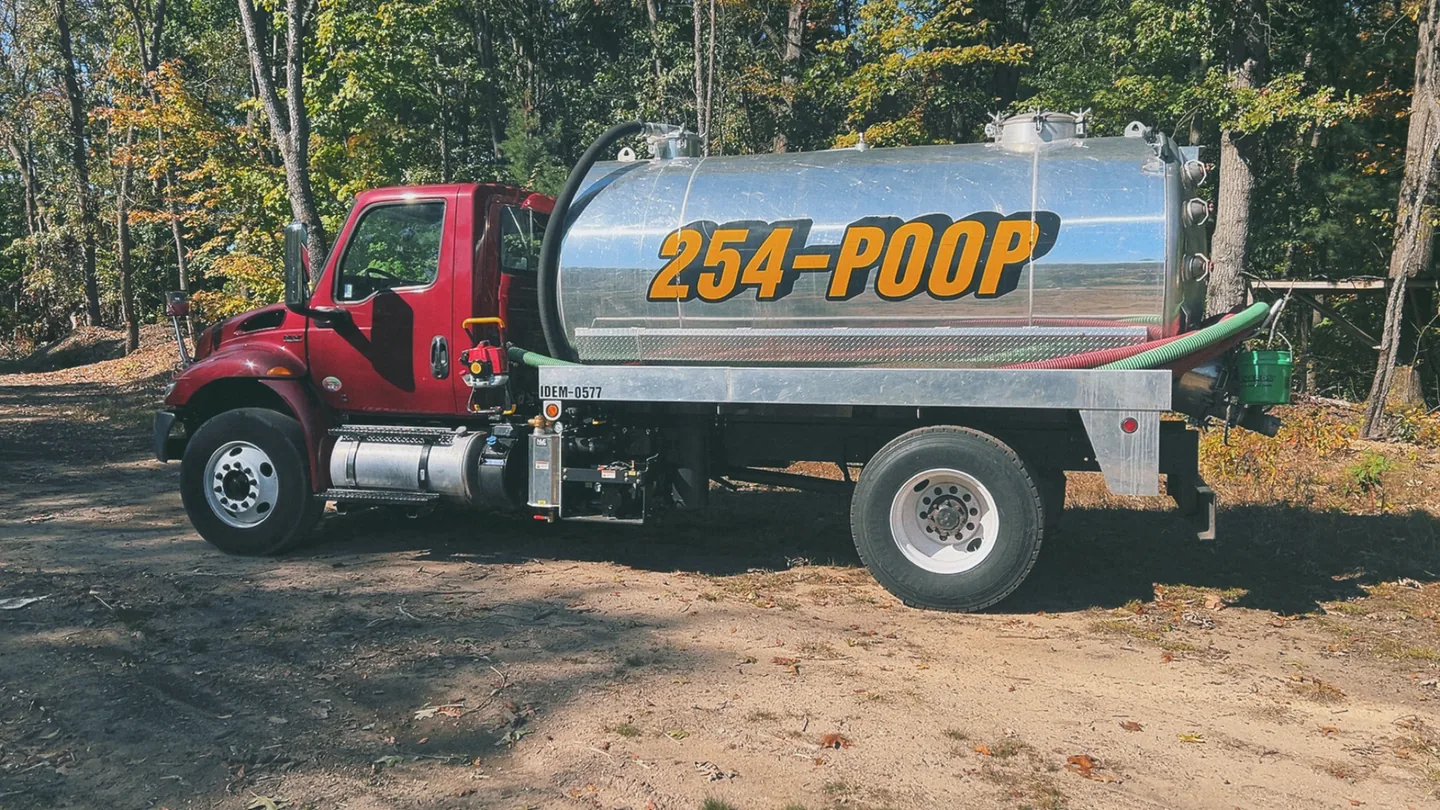
ASAP Poop repairs and replaces sewer lines across St. Joseph County and Elkhart County. Our sewer line replacement and repair page covers spot repairs and full replacements. Call (574) 254-7667. We look at the line and put the quote in writing.